

How to Set Up Daily Overlap With Remote Engineers: A Practical Guide for Engineering Managers
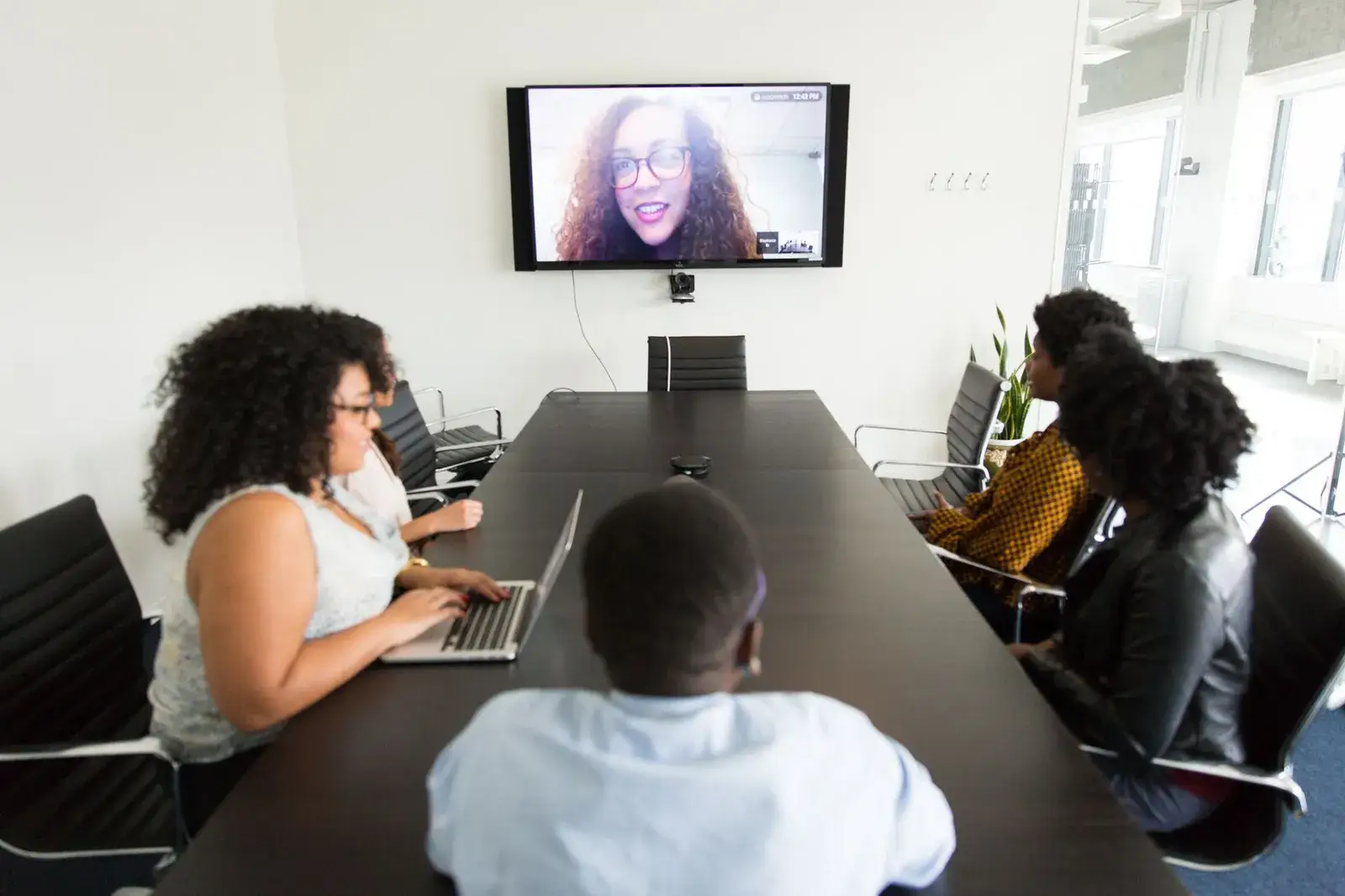
Daily overlap with remote engineers is the stretch of each working day when everyone is online together. Get it right and the team can unblock each other in minutes instead of waiting a full day for an answer. Get it wrong and every question becomes a 24-hour round trip.
This guide shows engineering managers how to pick the window, what to put inside it, what to move to written async work, and how to agree it before an engineer starts.
What a Daily Overlap Window Is and Why It Matters
A daily overlap window is the block of hours when an engineer and the people they depend on are all available for live conversation. Outside it, people work on their own and communicate in writing.
The window matters because it caps how long a blocker can sit. A question asked inside the overlap gets answered in minutes. A question asked outside it waits for the next overlap, which can be most of a day. Over a sprint, that gap adds up to real delay.
It also protects the work that is hard to do in writing:
- Ambiguous requirements that need back and forth
- Design disagreements and trade-off discussions
- Onboarding and codebase walkthroughs
- Incident response and urgent bug triage
Written updates handle status well. They handle nuance badly.
Overlap is also not the same as coverage. An engineer can work a full day for you and still share only a few hours of live time with the team. The skill is designing the day so those few hours carry the conversations that need them.
How Many Hours of Overlap Your Team Actually Needs
Most teams do well with two to four hours of daily overlap, and the right number depends on how ambiguous and interdependent the work is.
These figures come from hiring and management experience, not from a measured benchmark, so treat them as a starting point:
| Situation | Suggested overlap | Why |
|---|---|---|
| Engineer in their first month | Four hours or more | Context and codebase questions are frequent |
| Product work with shifting requirements | Three to four hours | Scope and design decisions need live talk |
| Well-specified features in a mature codebase | Two to three hours | Most questions can be written clearly |
| Maintenance, migrations, clearly scoped tickets | About two hours | A daily check-in and review turnaround are enough |
| Incident or on-call responsibility | Match the rota | Response expectations decide the hours, not preference |
Four factors move the number up or down:
- Seniority. Senior engineers need fewer live hours because they resolve ambiguity themselves and write good questions.
- Dependencies. An engineer who needs input from design, product and another team needs a window that lines up with all of them.
- Review turnaround. If pull requests wait on one reviewer, the overlap must include that reviewer.
- Meeting load. If your team already runs heavy meeting schedules, a longer overlap just fills with meetings. Fix the meetings first.
When unsure, start with three hours and adjust after a month. It is easier to add a fourth hour than to claw one back.
What to Do Inside the Overlap and What to Move Async
Use the overlap for conversations that need real-time back and forth, and move everything that can be read later into async channels.
Keep inside the overlap:
- A short daily standup, ideally fifteen minutes or less
- Pairing sessions on hard problems
- Design discussions and architecture decisions
- Walkthroughs of large or contentious pull requests
- Sprint planning, refinement and retrospectives
- One-to-ones and feedback conversations
- Anything blocking the engineer right now
Move to async:
- Status updates and progress notes
- Routine pull request reviews
- Documentation and runbooks
- Announcements that need no discussion
- Questions that arrive with full context and need one answer
A simple test works well. If a topic will need more than two replies, save it for the overlap. If one clear answer will settle it, write it down and send it.
The point of the split is to stop live time being spent on information that could have been a message. A status meeting inside a four-hour window costs a quarter of your shared time.
A Sample Daily Rhythm for a Team With Four Hours of Overlap
A team with four hours of overlap can run a simple rhythm: a short sync, focused collaboration, a review block and a written close.
Here is a sample using 10:00 to 14:00 in the team's working clock:
| Time | Activity |
|---|---|
| Before 10:00 | Heads-down work. Engineer reads overnight messages and the handoff note. |
| 10:00 to 10:15 | Standup: what shipped, what is next, what is blocked. |
| 10:15 to 11:30 | Pairing and unblocking. Hardest problems first. |
| 11:30 to 12:30 | Design, planning or refinement, depending on the day. |
| 12:30 to 13:30 | Review walkthroughs and open questions. Some of this time stays unscheduled as a buffer. |
| 13:30 to 14:00 | Wrap-up: confirm tomorrow's priorities and flag risks. |
| After 14:00 | Heads-down work, then a written end-of-day update. |
Two details make this work. First, the hardest conversations go early in the window, so a half-solved problem still has time to be finished live. Second, the buffer absorbs overruns and urgent requests without pushing out the wrap-up.
On lighter days, release the time. Overlap is availability, not an obligation to fill it with meetings.
Handoffs, Written Updates and Decision Records Outside the Overlap
Outside the overlap, three written habits keep work moving: a handoff note, a short end-of-day update and decision records.
The handoff note. At the end of each day, the engineer writes what they finished, what is in progress and what they need from others. The team reads it at the start of their next day. Keep it to a few lines.
The end-of-day update. A good update answers four things:
- What I completed
- What I am working on next
- What is blocking me, and who can unblock it
- Anything I decided that others should know
Post it in one agreed place so nobody hunts for it.
Decision records. When a live conversation settles something, someone writes it down within the day: the decision, the reason and the alternatives rejected. This stops the same debate being reopened next week and gives people outside the overlap the context they missed.
Write questions so they can be answered without a follow-up. Include the goal, what you tried, the link to the code and the specific decision needed. A well-formed question sent at the end of the day often has an answer waiting in the morning.
Common Overlap Mistakes and How to Fix Them
Most overlap problems come from using the window badly, not from the window being too short.
- Filling it with status meetings. Move status to written updates and keep live time for decisions and pairing.
- Changing the hours without notice. Fix the window and give notice before changing it, so engineers can plan their days.
- Scheduling around one stakeholder. If a key reviewer or product owner sits outside the window, move their availability or name a deputy.
- Skipping the written follow-up. Decisions made live but never recorded are lost to everyone not in the room. Assign someone to write them down.
- Treating overlap as all-day availability. Constant pings outside the window break focus and defeat the point of async work. Agree what counts as urgent.
- Ignoring review turnaround. If pull requests sit for a day, shift review time into the overlap and set a response expectation.
- Never revisiting the setup. Ask the team after the first month whether the window is too long, too short or in the wrong place, and adjust.
If you fix only one thing, make it the first: protect live time for work that needs live time.
How to Agree on Overlap Hours Before an Engineer Starts
Agree the overlap hours, the meetings inside them and the response expectations in writing before day one, so nothing is left to assumption.
Use this checklist when you brief a new engineer:
- The window. Exact start and end times and the days it applies to.
- The recurring meetings. Which ones the engineer attends, and which they can skip and catch up on in writing.
- The response expectation. How quickly to reply inside the window, and what is acceptable outside it.
- The channels. Where updates, questions and decisions live.
- The escalation path. Who to contact for something urgent outside the window.
- The review date. A set point, such as after the first month, to adjust the arrangement.
With Dev-Hire, engineers work your hours with a stated daily overlap, so you set the window when you describe the hire and it is confirmed before anyone starts. You can see the full process on how it works. We send a shortlist in 48 hours and engineers can start within a week, which leaves time to settle the overlap properly rather than rushing it.
If you are building more than one hire, the team builder helps you plan a dedicated team of 2 to 10 engineers, and the same overlap rules apply to each person. Agree the window once for the team, then adjust individually for seniority and role.
Ready to plan the hire? Check the all-inclusive monthly rate for the role you need on the pricing page.